
Advanced Biological Wastewater Treatment
Advanced Biological Wastewater Treatment: A Sustainable Solution for Cleaner Water
Wastewater treatment plays a crucial role in preserving water quality and protecting the environment. Among the various methods used, advanced biological wastewater treatment has proven to be one of the most efficient, eco-friendly, and cost-effective solutions. This technique utilizes microorganisms to break down pollutants, providing a sustainable way to treat wastewater for reuse or safe disposal.
What is Biological Wastewater Treatment?
Biological wastewater treatment refers to the use of natural microorganisms like bacteria and fungi to decompose organic matter present in wastewater. The process helps remove pollutants such as organic matter, nitrogen, and phosphorus, which are common in domestic, industrial, and agricultural wastewater.
Types of Advanced Biological Treatment Methods
-
Activated Sludge Process
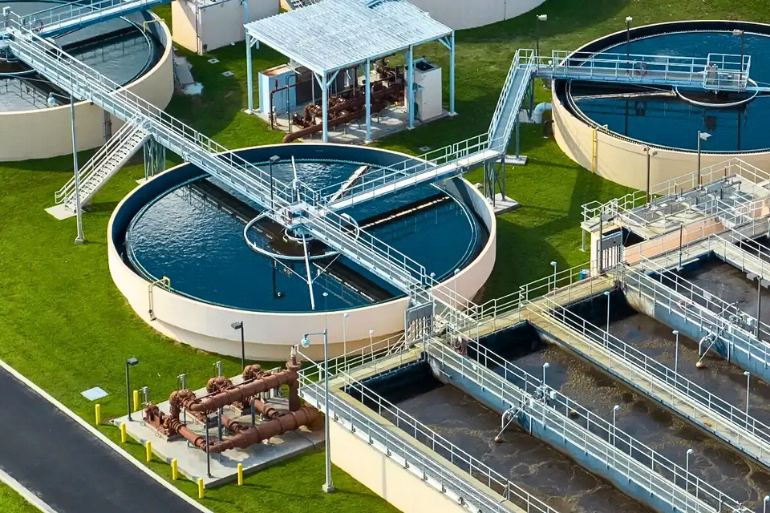
This is one of the most commonly used biological treatment methods. It involves aerating the wastewater to promote the growth of microorganisms that consume organic matter, thus treating the water. -
Trickling Filters
Trickling filters use microbial growth on a surface, with wastewater passing through the filter where the microorganisms break down contaminants. This method is efficient for small to medium-scale treatment systems. -
Membrane Bioreactors (MBR)
A combination of activated sludge treatment and membrane filtration, MBRs provide superior filtration and are used for advanced treatment where high-quality effluent is required.
Types of Advanced Biological Treatment Methods
-
Activated Sludge Process
This is one of the most commonly used biological treatment methods. It involves aerating the wastewater to promote the growth of microorganisms that consume organic matter, thus treating the water. -
Trickling Filters
Trickling filters use microbial growth on a surface, with wastewater passing through the filter where the microorganisms break down contaminants. This method is efficient for small to medium-scale treatment systems. -
Membrane Bioreactors (MBR)
A combination of activated sludge treatment and membrane filtration, MBRs provide superior filtration and are used for advanced treatment where high-quality effluent is required.
Benefits of Advanced Biological Wastewater Treatment
Advanced biological treatment systems are gaining popularity due to their numerous benefits, including:
-
Environmental Protection
By breaking down harmful pollutants, biological treatment helps improve water quality, preventing the contamination of rivers, lakes, and oceans. -
Energy Efficiency
These systems consume less energy compared to chemical treatment methods, making them more sustainable and cost-effective in the long run. -
Wastewater Reuse
Treated water can be reused for non-drinking purposes like irrigation, industrial cooling, or even flushing toilets, helping conserve fresh water. -
Low Maintenance and Operation Costs
Biological systems typically require less chemical input and have fewer operational costs compared to other methods, making them an attractive option for many industries.
Conclusion
Advanced biological wastewater treatment is a highly effective and sustainable solution for treating wastewater. By using natural microorganisms, it not only purifies water but also reduces the environmental impact of pollutants. With various methods like activated sludge, trickling filters, and membrane bioreactors, businesses, municipalities, and industries can achieve efficient, low-cost, and eco-friendly treatment processes. As water scarcity continues to rise, adopting advanced biological treatment methods is an essential step toward creating a sustainable future, ensuring clean water for generations to come.
Hi, this is a comment.
To delete a comment, just log in and view the post's comments. There you will have the option to edit or delete them.